Balanced Nutrition

Balanced nutrition that includes plenty of fruits, veggies, whole grains, and protein supports physical and mental well-being. Along with the foods we eat, it’s also important to have options that meet your budget as well as your lifestyle and cultural food preferences
Strategies you can try:
Develop a Balanced Nutrition Plan: A balanced eating plan includes a variety of nutritious foods. It’s important to discuss nutrition goals with your provider and ensure you have the right approach for your unique health needs.
A balanced nutrition approach includes the following:
- Eat a variety of foods—vegetables, fruits, whole grains, beans, nuts, seeds, lean meat, seafood, eggs, milk, yogurt, and cheese. Limit foods that are low in vitamins and minerals. Get more plants in your diet by visiting Have a Plant.
- Cut down on sugar. Pick food with little or no added sugar. Use the Nutrition Facts label to choose packaged foods with less total sugar.
- Replace saturated fats in your diet with unsaturated fats. Use olive, canola, or other vegetable oils instead of butter, meat fats, or shortening.
- Get more fiber. Increase your fiber intake gradually, so your body can get used to it.
- Stay hydrated. Learn about guidelines for water intake and healthy drink options.
- Choose more complex carbs. Eat more complex carbs, like starches and fiber. These are found in whole-grain breads, cereals, starchy vegetables, and legumes.
- Watch out for foods high in salt. Use fresh poultry, fish, and lean meat, rather than canned, smoked, or processed. Choose fresh or frozen vegetables that have no added salt and foods that have less than 5% of the Daily Value of sodium per serving. Rinse canned foods.
- Learn about healthy eating on a budget from MyPlate.
Food Storage and Meal Planning: Focus on food preparation and storage, as well as having food choices that meet your unique dietary needs and cultural food traditions.
Meal planning for healthy nutrition:
- Meal planning can help you save time and money and can help you eat a varied diet. Learn more about meal planning and healthy snacks from MyPlate.
- Choose easy recipes: The recipe you choose is a critical step in the meal planning process. Visit Dr. Yum to find fun cooking tips and easy recipes!
- Batch cooking involves cooking large quantities of food at once to eat over a few days. You can plan, prepare, and store your meals over a few hours each week.
- Doubling your recipes can save time on preparation, cooking, and cleanup. You can eat the extra portions as leftovers, freeze them, or use them in other meals.
- Having pantry staples on hand can help streamline your meal prep process. You’ll only need to buy fresh ingredients when you shop.
- One-pan and one-pot meals can reduce cooking and cleanup time.
- Keeping your kitchen and equipment organized can help you start cooking right away instead of spending time looking for what you need.
- Using the right containers can help you portion out your food properly.
- Learn about cultural food traditions from the American Academy of Dietetics and the Old Ways nonprofit.
Balanced Nutrition Additional Resources
- The DASH Diet – Learn about the DASH diet, an evidence-based way to support heart health and blood pressure.
- Seasonal Produce Guide – Explore seasonal fruits and vegetables.
- Food Allergy Safety – Learn about common food allergens and safety tips.
Food Assistance Resources
- Good Cheer Food Bank - Access to healthy foods on South Whidbey Island. (South Whidbey)
- Whidbey Island Nourishes - Nonprofit dedicated to nourishing youth on South Whidbey. (South Whidbey)
- Gifts from the Heart Food Bank – Access to healthy foods in Coupeville. (Coupeville)
- Coupeville Summer Meal Program (Coupeville)
- North Whidbey Help House - Stand-alone food bank serving Oak Harbor and North Whidbey. (Oak Harbor)
- Oak Harbor Summer Meal Program - Provides free meals to children 18 years and younger during the summer. (Oak Harbor)
- Women, Infants, and Children (WIC) - Naval Air Station Whidbey Island - Nutrition education, health screenings, and assistance for pregnant women and families. (Oak Harbor)
- Stanwood Camano Food Bank - Access to food for Stanwood and Camano residents. (Camano)
- Stanwood Camano Summer Meal Program - Provides free meals to children 18 years and younger during the summer. (Camano)
- SNAP Market Match - Shoppers using SNAP/EBT can optimize their budgets by buying more fruits and vegetables at participating farmers markets. (County-wide program)
- SNAP Food Assistance - Washington State Department of Social and Health Services supplemental nutrition assistance program. (County-wide program)
- Meals on Wheels – Meal delivery for homebound seniors in Island County. (County-wide program)
- Women, Infants, and Children (WIC) Island County - Nutrition education, health screenings, and assistance for pregnant women and families. (County-wide program)
Physical Activity

Regular movement not only supports physical health, but positive mood as well. There are many ways to get active that do not require a gym membership. Find simple ways to move towards your physical activity goals!
Regular movement not only supports physical health, but positive mood as well. There are many ways to get active that do not require a gym membership. Find simple ways to move towards your physical activity goals!
Strategies you can try:
Get Active: Moving more and sitting less can have major health benefits. Experts recommend adults get at least 150 minutes (two and a half hours) of moderate physical activity a week. You can benefit from even a little activity at a time. Every minute counts when it comes to movement.
Ways to increase your activity:
- Set specific goals for your physical activity. Find exercise tips that meet your unique needs using the resources below. Check out videos from Move Your Way – a program based on the Physical Activity Guidelines for Americans
- Take the stairs instead of the elevator.
- Park your car at the far end of the street or parking lot.
- Set up your space so you can walk on a treadmill while watching TV or stand when using the computer.
- Learn other ways to move more when time is in short supply.
- Have small weights in your office or around your home for doing arm exercises. Learn how to stay active with a desk job.
- Take a walk on your lunch breaks. Or have “walking meetings” with colleagues at work.
Maintain Your Muscle: Building muscle helps you keep up the activities you enjoy at any stage of your life. Some types of strength training keep your bones healthy, too. Experts recommend strength training activities for all the major muscle groups two or more days a week for adults and three for kids and teens.
Ways to safely build muscle strength:

- Start slowly, especially if you haven’t been active for a long time
- Pay attention to your body. Exhaustion, sore joints, or muscle pain mean you’re overdoing it.
- Use small amounts of weight to start. Focus on your form, and add more weight slowly, over time.
- Use smooth, steady movements to lift weights into position. Don’t jerk or thrust weights.
- Avoid “locking” your arm and leg joints in a straight position
- Don’t hold your breath during strength exercises
- Learn about exercise tips for older adults and for people with disabilities
Physical Activity Additional Resources
- Bicycling in Island County – Interactive map sharing local biking trails, hills, and speed limits.
- Washington Trail Association – Find local hiking trails in Island County, including ADA accessible trails.
Local Exercise Programs
- Healthy Youth Initiative - Scholarships to children and youth to help with the costs of participating in physical activities.
- South Whidbey Parks and Recreation – Find program information for youth and adults for South Whidbey.
- Oak Harbor Parks and Recreation - Find program information for youth and adults for South Whidbey.
- Senior Falls Prevention – Find local classes to improve your balance and strength to prevent falls.
- The Camano Center – Find exercise classes for older adults on Camano Island.
- The Center – Exercise, Yoga, and Tai Chi classes in Oak Harbor.
- South Whidbey Community Center – Center for recreation, education, and social services.
Healthcare Access
Health Information
- Are you up to date on health screenings? – Learn about screening guidelines to prevent chronic disease.
- 6 strategies to prevent disease.
- Complementary Approaches to Chronic Pain – Learn how complementary approaches, like acupuncture, biofeedback, massage, mind-body techniques, and other treatments can help reduce pain.
- Healthy Children – Health information for families from the American Academy of Pediatrics.
- Learn about maintaining your oral health
- Medline Plus – Find info about symptoms, treatment options, and other topics. MedlinePlus is an online health information resource. It is a service of the National Library of Medicine (NLM), the world's largest medical library, which is part of the National Institutes of Health (NIH).
- Wellness Resource from National Institutes of Health (NIH) - Use these wellness toolkits to find ways to improve your wellbeing.
- Teen Health Hub - Find links to quality, accurate information on health topics that are important to you.
Community Clinics
- WhidbeyHealth Primary Care – Find a community clinic near you.
- WhidbeyHealth Women’s Care – Offers specialty services to address the needs of women of all ages. Located in Coupeville.
- WhidbeyHealth Rehabilitation Care – Full range of rehabilitation programs, as well as acupuncture services.
- Skagit Regional Health – Full-service family medicine on Camano Island.
- Safe Harbor Clinic – Nonprofit clinic providing free healthcare, located in Stanwood.
- Help Me Grow – Use the Island County Help Me Grow Directory to find local healthcare options for children and families.
Dental Access
- Access to Baby and Child Dentistry – Supports access to dental care for Medicaid-eligible children.
- Sea-Mar Dental Clinic – Community dental clinic in Oak Harbor.
Health Insurance Information
- Health Care Authority – Searchable directory for healthcare providers and dentists accepting Apple Health
- Apple Health – Apple Health provides health insurance for low-income community members. Call Heidi Beck of WA HCA at 360-725-9512 or email Heidi Beck.
- Statewide Health Insurance Benefits Advisors (SHIBA) – Learn about Medicare and health insurance for older adults.
- Washington Health Plan Finder – Apply for health insurance coverage and learn about available options.
Medical Support
- Friends of Friends Medical Support Fund – Assistance with unexpected medical costs for South Whidbey residents (serving zip codes 98236, 98260, 98249, and 98253)
Medical Transportation
- Island Senior Resources Medical Transportation – ISR’s Medical Transportation Program provides Whidbey seniors private rides to medical appointments and essential errands.
- Island Transit Paratransit – Island Transit provides fare-free public transportation services.
Emotional Well-being

Caring for our mental and emotional wellbeing is just as important as our physical health. We all experience stress, and challenging life circumstances can overwhelm our ability to cope. If you need immediate support, call, text, or chat 988. The 988 Suicide & Crisis lifeline is free, confidential, and available 24/7/365.
Strategies you can try:
Balance Stress: Everyone feels stressed from time to time. Stress can give you a rush of energy when it’s needed most. But if stress lasts a long time—a condition known as chronic stress—those “high-alert” changes become harmful rather than helpful.
To help manage stress:
- Exercise regularly. Just 30 minutes a day of walking can boost mood and reduce stress
- Set priorities. Decide what must get done and what can wait. Say no to new tasks if you feel they’re too much.
- Show compassion for yourself. Note what you’ve accomplished at the end of the day.
- Assess your relationship with social media. Learn about healthy social media use from the American Academy of Pediatrics.
- Schedule regular times for a relaxing activity that uses mindfulness/breathing exercises, like yoga or tai chi.
- Seek help. Talk to a mental health professional if you feel unable to cope, have suicidal thoughts, or use drugs or alcohol to cope. If you need immediate support, call, text, or chat 988. The 988 Suicide & Crisis lifeline is free, confidential, and available 24/7/365
Create mindfulness: The concept of mindfulness is simple. This ancient practice is about being completely aware of what’s happening in the present—of all that’s going on inside and all that’s happening around you. Here are some tips to help you get started. Learn about the evidence for mindfulness practices from the National Institutes of Health (NIH).
To develop mindfulness:
- Take some deep breaths. Breathe in through your nose to a count of 4, hold for 1 second and then exhale through the mouth to a count of 5. Repeat often. Learn more about breathing exercises for managing stress
- Enjoy a stroll. As you walk, notice your breath and the sights and sounds around you. As thoughts and worries enter your mind, note them but then return to the present.
- Practice mindful eating. Be aware of taste, textures, and flavors in each bite, and listen to your body when you are hungry and full.
- Be aware of your body. Mentally scan your body from head to toe. Bring your attention to how each part feels.
- Find mindfulness resources, including online programs and guided practices from UCLA Mindful.
Emotional Well-being Additional Resources
- 6 Strategies for Improving Your Emotional Health
- How Does Therapy Work? What to Expect
- Mind-Body Wellness - Video series exploring mind-body wellness topics.
- Maternal Mental Health Hotline – Free 24/7 confidential hotline for pregnant and new moms in English and Spanish. Also call 1-833-HELP4MOMS
- SEA-MAR Behavioral Health Services – Community-based behavioral health services serving low-income, underserved, and uninsured communities.
- Island County Human Services – Human Services provides housing support, behavioral health services, veteran's assistance, opioid outreach programs, and other essential services.
- 988 Suicide and Crisis Lifeline – The 988 Lifeline provides 24/7, free and confidential support for people in distress, prevention and crisis resources for you or your loved ones.
- Compass Health – Adult intensive outpatient program and mobile crisis outreach services in Island County.
- Find a Therapist – Therapy and psychologist directory for finding available services on Whidbey & Camano Islands.
- WhidbeyHealth Behavioral Health – At WhidbeyHealth, their primary care teams and behavioral clinicians work together to provide patient-centered care. Available at the Freeland and Oak Harbor locations.
- Citizens Against Violence & Sexual Abuse (CADA) – Free, confidential, 24/7 support for Island County residents.
Environmental Health

As islanders, we understand that our personal health and the health of our environment are truly connected. Our health is shaped by the air we breathe, water we drink, buildings we inhabit, and access to the beautiful environments around us.
Simple strategies you can try:
Make your home healthier: Take a look around your home. Do you know what’s in your household goods and products? Some chemicals can harm your health if too much gets into your body. Becoming aware of potentially harmful substances and clearing them out can help keep you and your family healthy.
Create a Healthy Home:
- Clean with “Safer Choice” or non-toxic products. Find information on environmental toxins, healthy homes, water treatment, and other resources for healthy living from Environmental Working Group. Learn how to protect you children’s health from Pediatric Environmental Health Specialty Group.
- Keep your heat set to at least 68°F or higher during cold weather. If you need help paying your heating bills, see the resources below.
- Dust using a damp rag. Clean small areas of mold on walls or fabric with hot, soapy water. Be sure to wear a mask, gloves, and goggles while cleaning.
- Use a wet mop to clean floors. Open a window or use a fan to improve air circulation when you’re cleaning.
- If income is tight, get help with home health items by reaching out to the Opportunity Council.
- Learn how to protect yourself from unhealthy air quality caused by wildfire smoke and other pollutants.
- If you have a leak or flood in your home, quickly dispose of damaged items.
- Reduce pollutants in your home. Don’t let anyone smoke in your home. Avoid burning candles, incense, or wood fires. Run fans or open a window when cooking. Use a vacuum with a HEPA filter instead of sweeping to avoid stirring up dust and allergens.
Reduce your allergies: A change in season can brighten your days with vibrant new colors. But blooming flowers and falling leaves can usher in more than beautiful backdrops. Airborne substances that irritate your nose can blow in with the weather. When sneezing, itchy eyes, or a runny nose suddenly appears, allergies may be to blame. Take steps to reduce your exposure to allergens.
To reduce your allergies:

- Avoid bringing pollen indoors. If you go outside, wash your hair and clothing when you come inside. Pets can also bring in pollen, so clean them too.
- Keep humidity levels low in the home to keep dust mites and mold under control.
- If you have allergies, avoid upholstered furniture and carpets because they harbor allergens.
- Wash your bedding in hot water once a week.
- Vacuum the floors once a week.
- Talk with your doctor about medications and allergy shots.
- Learn more about reducing seasonal allergies from the Mayo Clinic.
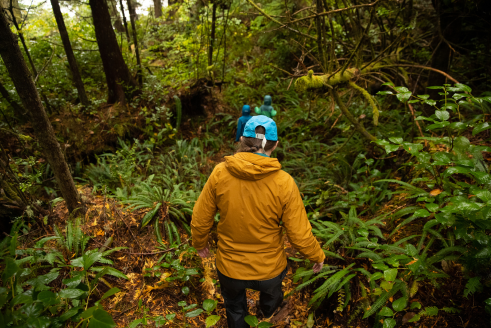
Get Outdoors: Many of us are drawn to live in Island County because of the beautiful beaches, forests, and outdoor environments. Getting out into nature regularly supports physical and emotional well-being. Find local trails, outdoor volunteer opportunities, and use these tips to recreate safely throughout the year.
Stay active outdoors:
- During high heat, limit outdoor activities and use sunscreen that blocks both UVA and UVB with a sun protection factor (SPF) of at least 15, preferably 30. Reapply frequently. Use sunglasses that block both UVA and UVB. Learn more about heat preparedness here.
- Drink plenty of liquids, especially water. Avoid drinks that contain alcohol or caffeine.
- In cold weather, where layers and waterproof clothing when it’s raining to keep your immune system strong.
- Spending time in nature is good for your health! Learn about the health benefits of hiking here.
- Avoid strenuous outdoor activities if the air quality is in the unhealthy range. Check our region’s air quality index at the Washington Smoke Blog.
- Stay up to date on swimming beach safety alerts and observe signage related to recreational shellfish harvesting and swim safety. Check water quality using this interactive map. Use the shellfish safety map to find info on safe harvesting.
- Wear a life jacket. All vessels (including canoes, kayaks and stand-up paddle boards) must carry at least one properly fitted U.S. Coast Guard-approved life jacket (Personal Flotation Device or PFD) for each person on board a vessel. Children 12 years old and younger must wear a life jacket in a vessel less than 19 feet in length. Learn more about water recreation safety from the Washington State Department of Health.
- Find local trails and ADA accessible trails using the Washington Trails Association Hike Finder Map.
Care for our unique island ecosystems: We can all take simple, everyday actions to protect the beautiful place we call home. Let’s work together to limit pollution and support thriving ecosystems for the benefit of current and future generations of islanders.
Steps you can take to support our environment:

- Remember your reusable grocery bags when shopping. Keep bags in handy locations, like your purse or glovebox. A bag in the hand is worth two in the car!
- Learn about composting and recycling. Visit the County recycling page. Discover how to compost at home from WSU Island County Extension.
- If you live near the shoreline, learn how to protect your property while also protecting the fish, wildlife, and unique shoreline habitat with our Shore Friendly Program.
- For small businesses, our Pollution Prevention Program can provide on-site education about preventing pollution of stormwater through safe storage and disposal. This non-regulatory program is a free service!
- Many people in our community use on-site sewage systems. Keeping up with system maintenance supports water quality and environmental health. Learn more here!
- Skip fast fashion. Consider shopping second-hand and repairing clothing and choose ethical brands if within your budget.
- Try shopping in bulk. Buying larger quantities of essential items can help you use less plastic packaging.
- Ride Island Transit! We’re fortunate to have a free transit service in Island County.
Environmental Health Additional Resources
-
Water Filter Guide – Learn about water filtration options from Environmental Working Group (EWG).
-
Guide to safer personal care products from Environmental Working Group
-
Healthy Homes – The health of our homes can make a big difference for our personal health. Use this resource to learn about home health and take prevention steps.
-
Lead Risk Map – Washington Tracking Network (WTN) mapping tool from WA Dept. of Health to identify lead risk for different communities.
-
Island County Hydrogeology Program – Learn more about groundwater and drinking water protection.
-
On-Site Sewage Systems – In Island County, many of us use on-site septic systems. Learn how to maintain your system to support environmental health!
-
Island County Emergency Management – Sign up for emergency alerts and find prevention information to keep you and your family safe during winter storms, flooding, earthquakes, and other hazards.
-
See more resources about developing social connections in the community.
-
See more resources about physical activity programs in Island County.
-
Getting To the Water’s Edge – Local guide sharing beach access info for Whidbey and Camano Islands.
-
Washington Trail Association – Find local hiking trails in Island County, including ADA accessible trails.
Financial Wellness

As costs of living continue to rise, stress related to finances is impacting many of us. Get help with career planning, budgeting, and paying for the cost of essential items like housing, utilities, and groceries. We all need support at times and help is available!
Strategies you can try:
Find financial assistance programs: By actively researching assistance programs, you can access essential resources that may help alleviate financial burdens and improve your overall well-being. While it can be hard to ask for help, we all have times in our lives when we need support, and there is help available!
Find financial support:
- Explore federal, state, and local government programs that offer financial aid, such as Health and Human Services Energy Assistance Program, TANF (Temporary Assistance for Needy Families), and housing assistance from Island County Human Services.
- Many nonprofits provide financial assistance for specific needs, such as food, housing, or utility bills. Visit the Island County Opportunity Council.
- Educational grants and scholarships aren't just for students; some are available for specific needs, like career training or personal development. Check the U.S. Department of Education's grants page.
- Reach out to support agencies like Island County Human Services, Island Senior Resources, and the Opportunity Council, who can guide you through the application processes for various assistance programs and help you identify which ones you're eligible for. It can be hard to ask for help, but there is support available! We all need help at times in our lives.
Develop skills in budgeting and career planning: By tracking spending, using budgeting tools, and regularly reviewing your financial plan, you can gain control over your finances, reduce debt, and save for the future. Focusing on career planning can help you move towards your goals with clarity.
To develop budgeting skills and plan your career:

- Create your budget. Use the budget management tools from MyMoney Five offered by the Financial Literacy and Education Commission (FLEC). Use budgeting apps that may be available through your bank or another financial institution.
- Define clear, attainable financial goals, such as saving for an emergency fund, paying off debt, or saving for a large purchase. This helps prioritize your spending.
- Sign up for local classes about personal finance to improve your budgeting skills. Check out this online resource from the Washington Office of the Treasurer that helps you make informed decisions about your finances.
- Identify your interests and skills. Conduct self-assessments to understand your strengths, interests, and values.
- Set career goals to include specific job positions, salary targets, or skills to acquire. Use the career planning tools in the resource guide.
- Develop a professional network. Attend industry events, join professional associations, and use platforms like LinkedIn to connect with professionals in your field.
- Seek internships, volunteer opportunities, or part-time jobs in your desired field to build relevant experience. Use this resource from the Washington Student Achievement Council to start planning your career pathway.
- Get help developing your resume by working with Opportunity Council
Financial Wellness Additional Resources
-
Whidbey Essential Needs – Helps Whidbey Island friends and neighbors with practical needs like housing set-up expenses, utilities, and one-time extraordinary expenses like car repairs.
-
Working Connections Childcare (DSHS) – Financial assistance with childcare for qualifying families.
-
Habitat for Humanity of Island County – Local homeowner and housing assistance program.
-
Refugee Cash Assistance – Helps eligible refugees and other humanitarian immigrants by providing cash assistance for up to twelve months from their arrival date in the United States.
Financial Education
-
Money Management Guide – Get the latest financial news and money management tips from the AARP.
-
WorkFirst Washington – The WorkFirst program helps participants find employment.
-
Planning for Retirement – Retirement planning resources from the Consumer Financial Protection Bureau (CFPB), a US government agency.
-
Preventing Frauds and Scams – Losing money or property to scams and fraud can be devastating. This resource from the Consumer Financial Protection Bureau (CFPB) can help you prevent, recognize, and report scams and fraud.
-
Youth Financial Education – Resource from the Consumer Financial Protection Bureau to support K-12 financial education. Intended for classroom use.
Restorative Sleep

When life demands pile up, sleep quality often takes a hit. Restorative sleep plays an essential role in physical and mental health, providing the foundation for a healthy brain and body. It’s vital to your well-being. Sleep helps you think more clearly, bounce back from stress, and have the energy to enjoy each day. Learn how sleep improves our physical and mental health from the National Institute of Health (NIH).
Strategies you can try:
Get Quality Sleep: Take steps to make sure you regularly get a good night’s sleep.
Ways to improve your sleep:
- Our sleep needs change as we age. Learn about age-based sleep guidelines and sleep for Middle and High School students.
- Go to bed the same time each night and wake up the same time each morning.
- Sleep in a dark, quiet, comfortable environment. Learn how to create a healthy sleep environment here.
- Exercise daily (but not right before bedtime).
- Limit the use of electronics before bed.
- Relax before bedtime. Try a warm bath or reading and listen to soothing nature sounds.
- Avoid alcohol and large meals before bedtime.
- Avoid stimulants like nicotine and caffeine, especially in the latter half of the day.
- Don't take naps after mid-afternoon. Keep naps short.
- Try to get natural sunlight for at least 30 minutes a day.
- Consult a health care professional if you have ongoing sleep problems. Print and use this sleep diary to record the quality and quantity of your sleep. You can then bring the diary with you to review the information with your doctor.
Restorative Sleep Additional Resources
- How Sleep Affects Your Immune System – Learn the connection between sleep and immunity from Yale Health.
- Mayo Clinic Sleep Tips – Try simple tips for better sleep, from setting a sleep schedule to including physical activity in your daily routine.
Social Connection
Positive social connections support physical, mental, and emotional health. However, social isolation is a growing concern in our society. While making new connections can feel daunting, there are local opportunities for creating community. Remember, it’s okay to start small!
Strategies you can try:
Make connections: Social connections might help protect health and lengthen life. Scientists are finding that our links to others can have powerful effects on our health. Whether with family, friends, neighbors, romantic partners, or others, social connections can influence our biology and well-being. Learn about the link between social connection and physical and mental wellbeing.
To find new social connections:
Participate in neighborhood events, like a park clean-up through your local recreation center or community association.
Travel to different places and meet new people. Travel does not have to be to a far-away place. Consider visiting a new town, hiking trail, or other nearby location to broaden your horizons!
Build healthy relationships: Strong, healthy relationships are important throughout your life. They can impact your mental and physical well-being. As a child you learn the social skills you need to form and maintain relationships with others. But at any age you can learn ways to improve your relationships. It's important to know what a healthy relationship looks like and how to keep your connections supportive.
To build healthy relationships:
Recognize how other people influence you.
Share your feelings honestly.
Ask for what you need from others.
Listen to others without judgement or blame. Be caring and empathetic.
Disagree with others respectfully. Conflicts should not turn into personal attacks.
Expect others to treat you with respect and honesty in return.
Compromise. Try to come to agreements that work for everyone.
Protect yourself from violent and abusive people. Set boundaries with others. Decide what you are and aren't willing to do. It's okay to say no. CADA of Island County support for people experiencing domestic abuse.
Take care of yourself while caring for others. If you are helping care for a family member or friend, you are not alone! More than 820,000 Washington State citizens provide care to an adult who needs help with care. Find information, resources, and people that can help. Find caregiver resources here.
Social Connection Additional Resources
Big Brothers, Big Sisters of Island County – Mentoring relationships that ignite the power and promise of youth.
Island Senior Resources – Services for seniors on Whidbey & Camano Islands.
The Camano Center – Community center that connects, enriches, and supports the Camano community.
Community Resource Center of Stanwood Camano – Offers family and community programs and supportive services.
The Center Oak Harbor – The Center in Oak Harbor exists to empower older adults in our community for personal independence, healthy aging, social connection, and life-long learning.
South Whidbey Community Center – Center for recreation, education, and social services.
Whidbey Watershed Stewards – Linking water, land, wildlife, and people through education, research, and restoration on Whidbey Island. Find community through volunteer opportunities.
Washington Department of Fish and Wildlife Volunteering – Get active, build community, and restore ecosystems by signing up to volunteer with the WA Dept of Fish & Wildlife.
Island County Marine Resources Committee – Find community and support marine health through local volunteer opportunities.